

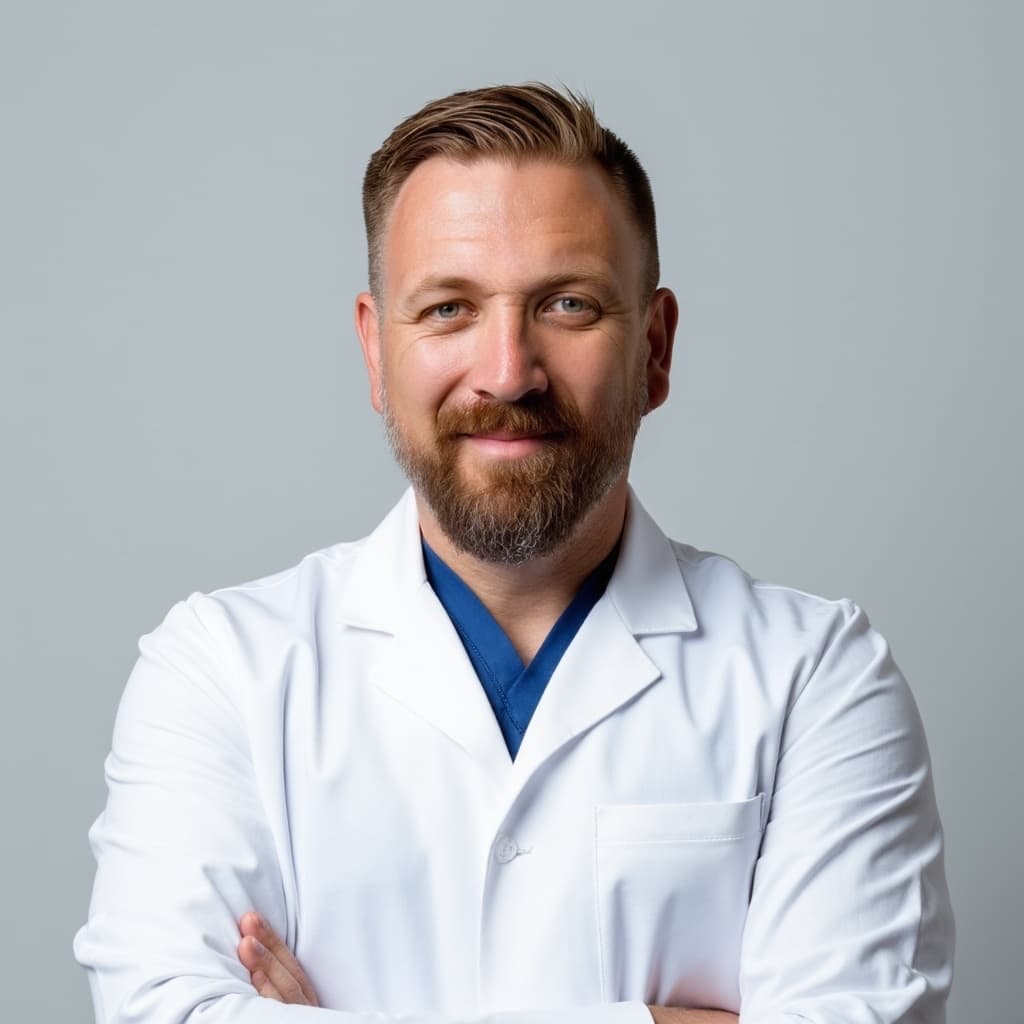
Heal the Brain. Reclaim Tomorrow™.
When So Much Has Gone Off Track, We Help You Find a Way Forward.
Neuregen helps people with persistent brain and nervous-system challenges that haven't resolved as expected — especially when problems with thinking, energy, mood, sleep, pain and physical function seem to be piling up.
We look across the whole person to understand what may be getting in the way of recovery, then bring brain rehabilitation, medicine, mental health care and carefully selected emerging therapies together in one individualized strategy — so you can rebuild function, regain confidence and get back to living your life.
Brain • Nervous System • Body • Mind • Recovery
Does Any of This Feel Familiar?
Many of the people we help arrive with a story before they arrive at a diagnosis. Start with the experience that sounds most like yours.
 Alcohol-related brain recovery“I’m sober now — but why doesn’t my brain feel back?”Start here
  Alzheimer’s & dementia“My parent’s memory is slipping — and we want to do more than just wait and see.”Start here
  Toxic, mold & complex immune“I seem to react to everything — and no one can explain why.”Start here
  Trauma, FND & PTSD“My body still feels like I’m in danger — even when I know I’m safe.”Start here
  Post-viral & long COVID“I haven’t been the same since COVID — or since I got sick.”Start here
  Trauma & head injury“I haven’t been the same since my accident or concussion.”Start here
  Chronic CNS dysregulation“My nervous system feels like it’s always on high alert.”Start here
  Physical trauma & spine pain“I’ve tried the usual options for my spine pain — I need a different approach.”Start here
  When keeping going gets harder“I’ve been going too hard for too long. Now even everyday things leave me drained.”Start here
  Dysautonomia & POTS“I’m exhausted, dizzy and sometimes unsteady — but my tests haven’t explained why I feel this way.”Start here
 Not sure where to start?
Find Your Starting Point
In 3 quick questions, we’ll help you identify the recovery areas that may deserve a closer look — and whether Neuregen might be a good fit.
No diagnosis needed. No treatment to choose. Just start with what you’re experiencing.
- 01 — What’s changed?
- 02 — What are you experiencing?
- 03 — How long has it been going on?
3 questions · About 2 minutes · No account needed
Your answers stay on this device unless you choose to share your summary or submit a consultation request. Educational guidance, not a diagnosis.
What is Neuregen?

One Recovery Strategy. Built Around the Whole Picture.
Neuregen is a rehabilitation-focused clinic for complex brain, nervous-system and neuropsychiatric conditions that often cross traditional specialties.
When symptoms involve multiple, interacting systems, the medical specialty approach of treating each piece separately may not be enough.
We bring those pieces together around one guiding question:
“What is preventing this person from recovering?”
Rather than beginning with a treatment, we look for the systems, functions and barriers that may be limiting recovery—then build a plan around what we find.
Understand
Identify what may be limiting recovery.
Plan
Build an individualized strategy around what we find.
Treat & Rehabilitate
Coordinate rehabilitation, medical care and appropriately selected therapies.
Measure & Adapt
Track what changes and adjust the strategy accordingly.
The 7 Domains of Recovery™
One Person. Seven Domains. A More Complete Picture of Recovery.
Complex symptoms rarely exist in isolation.
Neuregen’s 7 Domains of Recovery™ gives us a structured way to look across the brain, nervous system, immune function, metabolism, structure, psychology and mental health, and a person’s daily environment.
Then identify which areas may be limiting recovery and where to focus next.
Watch: How the 7 Domains Shape Your Recovery StrategyRead the full transcript
So many of our patients tell us that up until now, they were just not being heard. What you should realize is that very often it's not due to a lack of empathy on the part of your providers. It's just that you've been working through a healthcare system that necessarily deals with specialists that view things one system at a time. For many of these conditions, we need to take a holistic, integrated approach that considers how these systems are interacting, and we treat them under one roof. How we approach the challenging problems that we see is by looking at seven domains of function. The first is brain function and neural networks. Essentially, asking the question: how are the different areas of your brain and nervous system communicating with each other and the rest of your body? The second is autonomic or nervous-system regulation, where we ask questions like: is your body stuck in a dominant fight-or-flight mode? Next is immune function and neuroinflammation, where essentially we're asking: is your immune system working against your brain and nervous system? After that is brain energy and metabolic health, where essentially we're asking: does your brain have enough energy to heal? Following that, we look at structure, stability and body-to-brain signals. Essentially, we're asking: is something physical feeding this problem? The next domain is psychological flexibility and behavioral recovery, where we're asking how your mind has adapted for survival and what that's costing you. So the final domain deals with life and your environment, because frankly, you don't heal in a vacuum, and sometimes your environment can be working against you. So what is preventing this person from recovering? That's the only question that matters. We identify it, we target it, we regulate it, and we restore health. In practice, that means your plan might include physical rehabilitation, procedures, or even talk therapy. The point is it's in an order that actually helps you; it's not a one-size-fits-all. This model is behind everything we do here, so let's find out which domains apply to you.
Choose a domain for its full explanation.
 Domain 1Brain Function & Neural NetworksThink clearly. Function better.
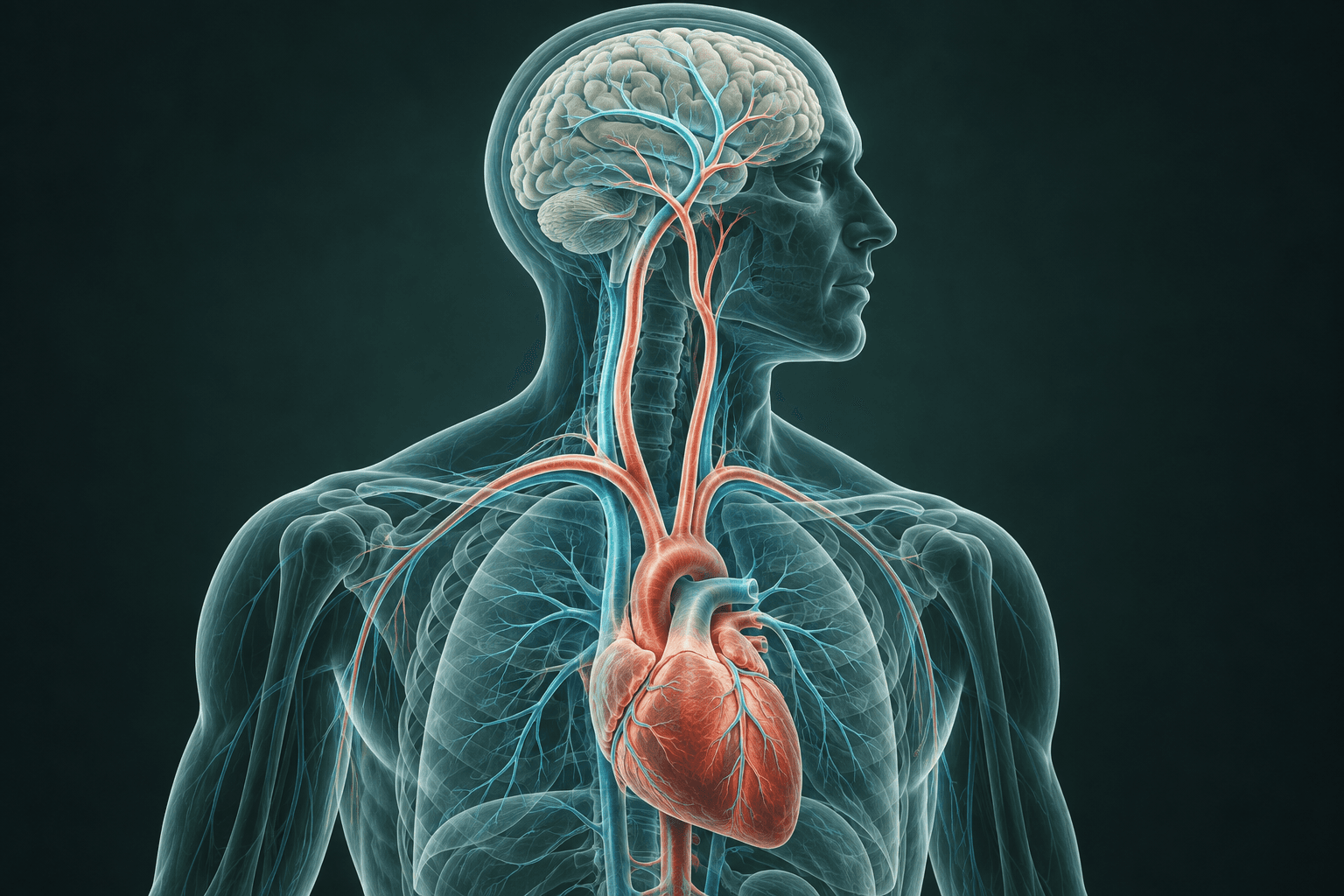 Domain 2Autonomic & Nervous System RegulationRegulate. Recover. Adapt.
 Domain 3Immune Function, Inflammation & Toxic BurdenReduce burden. Restore balance.
 Domain 4Brain Energy & Metabolic HealthRestore energy. Support recovery.
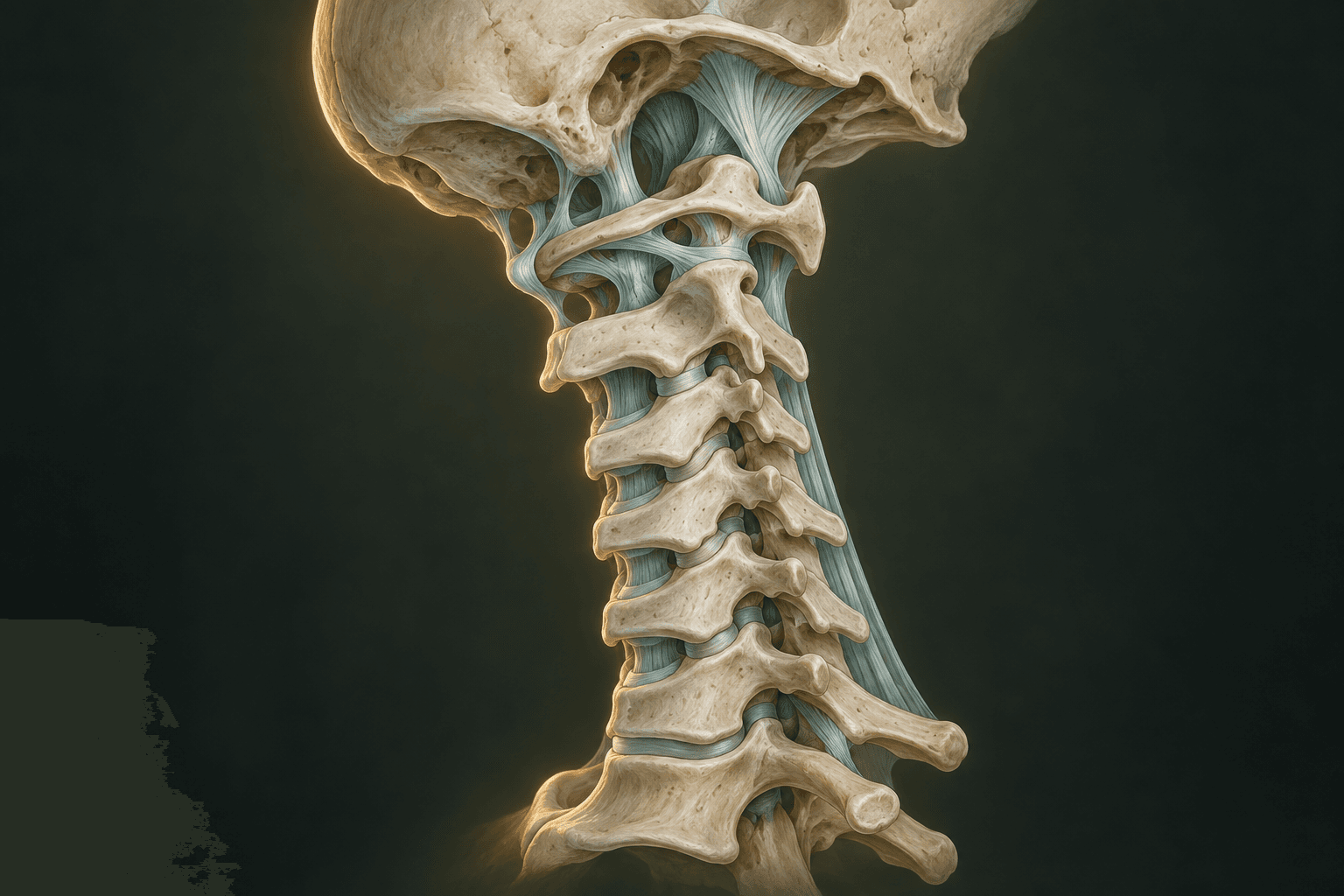 Domain 5Structure, Stability & Body-to-Brain SignalsMove better. Feel more stable.
 Domain 6Emotional Health & Psychological RecoveryFeel safer. Live more freely.
 Domain 7Life & EnvironmentReconnect with what matters.
Your care, step by step
We Don’t Guess. We Build, Measure and Adapt.
We assess the domains most relevant to your case, decide what to address first, and track how you respond so the plan can evolve with you.
More tests aren’t more rigorous. The right tests are.
 01
01Strategy Consultation
We start with your story: what has changed, what you’ve tried, what questions remain, and where you feel you need help most.
 02
02Establish the Baseline
We select the assessments and tests that matter for your situation — creating a meaningful starting point for understanding where you are and measuring what changes.
 03
03Build Your Treatment Strategy
Together, we prioritize what to address first — guided by your findings, your goals, and what is most likely to move recovery forward.
 04
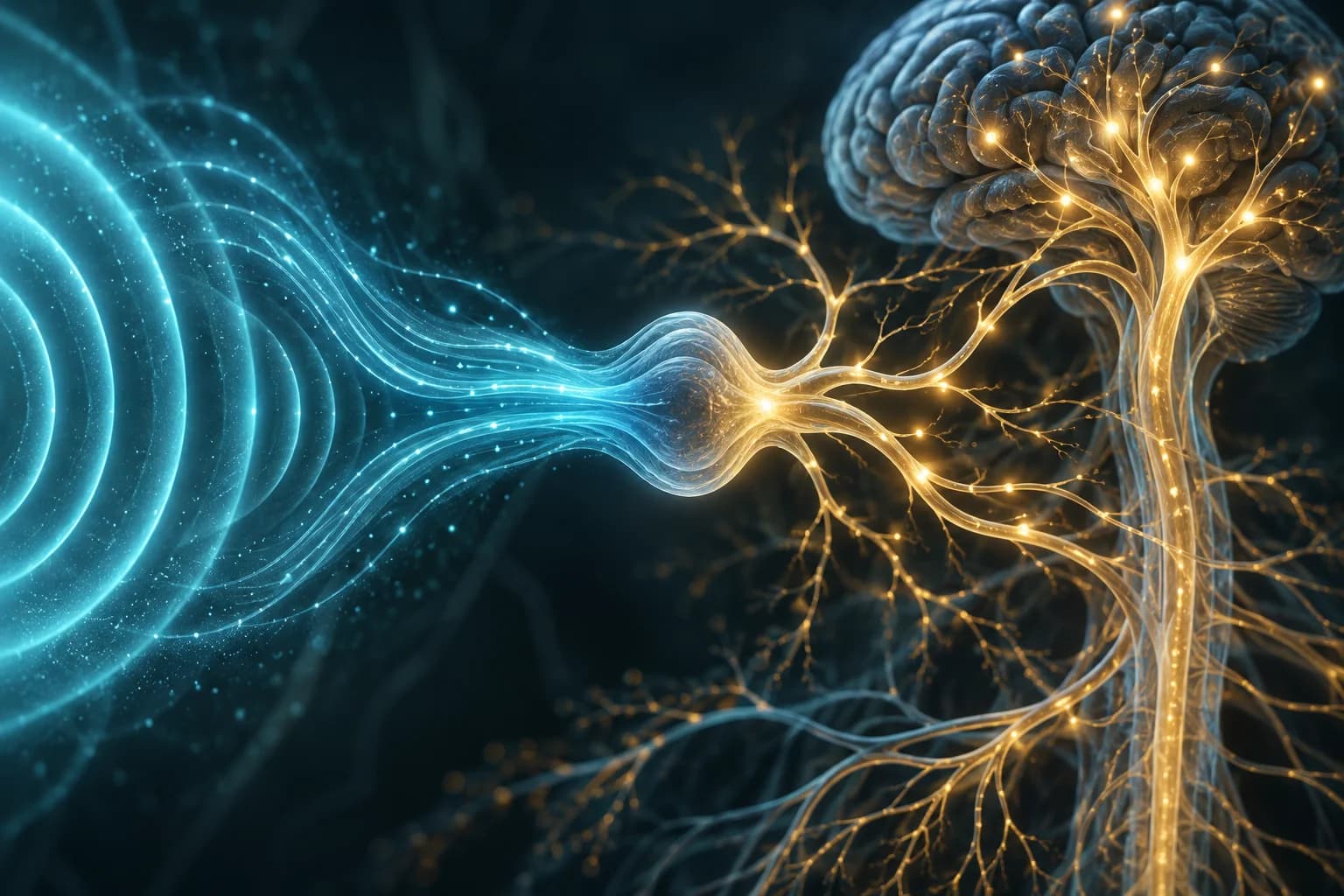
04Treat
Put the plan into action — with each therapy chosen for a specific purpose and connected to a recovery target.
 05
05Measure
Compare what has changed against your baseline and goals — so we can see what’s helping, what isn’t, and what still needs attention.
 06
06Adapt
Let your response guide what comes next—what to continue, what to change, and what to stop.
There is no preset week for a procedure and no treatment package everyone follows. Your findings, preferences, practical constraints and response shape the next step.
Who we help
Treat the Condition. Rehabilitate the Person.
A diagnosis helps us understand what happened. Rehabilitation asks what it changed. We look at cognition, autonomic function, energy, movement, pain, emotional health and other factors that may be limiting recovery — then build a strategy around what we find.
Explore some of the conditions we commonly work with.
 Post-Viral & Long COVIDWhen the infection is over, but your energy, thinking or nervous system haven’t recovered.Explore this pathway
  POTS & DysautonomiaWhen heart rate, blood pressure and autonomic symptoms make everyday activity difficult.Explore this pathway
  Brain Injury & ConcussionWhen thinking, balance, vision or headaches haven’t returned to normal after an injury.Explore this pathway
  Alzheimer’s & Cognitive DeclineWhen memory and thinking are changing — and you want a strategy focused on preserving function.Explore this pathway
  Trauma, PTSD & FNDWhen the brain and nervous system remain stuck in patterns of threat, distress or altered function.Explore this pathway
  Alcohol-Related Brain RecoveryYou’ve achieved sobriety. Now it’s time to help your brain and nervous system recover.Explore this pathway
  Complex Pain, CCI & EDSWhen pain or instability keeps limiting movement, confidence and function.Explore this pathway
  MCAS, Mold & Environmental IllnessWhen immune reactivity, inflammation, mold or environmental exposures may be interfering with recovery.Explore this pathway

Alcohol-related brain recovery
Sobriety Is an Important Milestone. Brain Recovery May Be the Next Step.
Stopping alcohol doesn’t always mean the brain and body immediately return to normal. Problems with memory, thinking, balance, sleep, mood, energy and physical function can persist—even after sobriety has begun.
Neuregen combines psychiatry, brain rehabilitation and whole-person medical care to help identify and address the lingering effects of alcohol and other substance exposure—so recovery can become about more than staying sober. It can become about getting your brain, health and life back.
Explore Brain Recovery After SobrietyWhen symptoms continue
Many people achieve sobriety yet continue to experience neurologic and cognitive challenges, including:
- Memory & concentration
- Mood, anxiety & depression
- Balance & coordination
- Sleep disturbance
- Speech & word finding
- Attention & processing speed
- Vision changes
- Dizziness & vestibular problems
- Sensation changes
- Nutritional deficiencies & overall brain health
Potential therapies
A Broad Toolkit.
One Coordinated Strategy.
Our toolkit spans eight clinical areas. Each option is considered for a specific purpose within your plan, with condition-specific evidence and an honest discussion of risks and alternatives.
We use established medicine where it works,and emerging medicine where it makes sense.
No intervention without a target.
No target without a measure.
No repeated intervention without evidence of benefit.
Select a category to explore its therapies and evidence.
Featured therapy · 1 of 3
Stellate Ganglion Block (SGB)
A guided local-anesthetic injection near the sympathetic nerves of the neck. SGB has a long-standing clinical role in treating selected sympathetically mediated pain conditions and emerging evidence for PTSD and trauma-related hyperarousal. At Neuregen, we also consider SGB for selected neuropsychiatric and autonomic applications as part of an integrative nervous-system rehabilitation plan.
Evidence: EstablishedSelected sympathetically mediated pain conditions.Evidence: EmergingPTSD and trauma-related symptoms.Evidence: PreliminaryPOTS, dysautonomia, Long COVID, and other neuropsychiatric applications.
Read the full transcript
When you face a sudden threat, your nervous system triggers an automatic, high-energy biological state designed exclusively for acute survival. It floods the body with the resources needed to survive a crisis. Under normal conditions, the nervous system initiates a deliberate cooldown once the threat has passed, deactivating the alarm and returning the body to a state of rest. But extreme trauma or physiological stress can cause this alarm to permanently jam in the on position. The biological circuit is interrupted, leaving the system caught in a continuous loop of high alert. When this system gets stuck, the body exhausts its own cellular resources, fighting a ghost threat. A life-saving evolutionary tool becomes a chronic physical disease. This permanent hyperarousal loop drives symptoms of treatment-resistant PTSD, severe panic disorders, and dysautonomia like POTS. Standard medical responses often rely on cognitive therapies or psychiatric medications to influence the mind's chemistry and thought patterns. These conventional treatments frequently stall because they attempt to resolve a physical hardware blockage in the nervous system using software-level chemical adjustments. Until the physical nervous system is forced out of chronic hyperarousal, the patient's baseline adaptive capacity, their biological ability to heal, remains paralyzed. To address the physical hardware, interventional psychiatry targets the stellate ganglion. This bundle of sympathetic nerves in the lower neck carries fight or flight signals. The stellate ganglion block involves applying targeted anesthetic directly to these nerves, neutralizing the cluster and turning the overactive signaling off. Numbing this nerve chain provides a window for the system to complete a biological reboot. This intervention physically restarts a malfunctioning biological mainframe from the outside in. The sequence begins when the anesthetic blocks the sympathetic nerve chain's output of norepinephrine, easing the body's chronic adrenaline flood. In step two, silencing this nerve bundle severs the faulty distress signal traveling back to the brain. This lack of incoming distress signals forces the amygdala, the brain's fear center, out of hypervigilance. Third, the brain registers that the central alarm is now off, allowing heart rate variability and baseline blood pressure to normalize. As the alarm quiets, the body's baseline cardiovascular rhythm has room to settle. For people who respond, that can mean healthier heart rate variability, though no timing or outcome is guaranteed. Step four involves the calming of chronic neurogenic inflammatory loops throughout the body. This widespread inflammation is fueled and sustained by continuous sympathetic stress. By neutralizing a single physical node in the neck, a paralyzing biological loop is dismantled through a chain reaction of relief. Because SGB targets the physical nervous system, the dampening effects on the fight or flight response can often be felt the same day as the procedure. This interventional procedure addresses the biological source of the symptoms, rather than the perpetual management required by daily prescription regimens. Removing chronic hyperarousal is the vital first step in a larger healing process, which is mapped through the seven domains of recovery. This biological reset is the foundation for what follows. The brain can begin to rebuild resilience once it is no longer fighting for survival. This restoration of adaptive capacity gives the patient back the inherent power to adapt, heal, grow, and thrive in the face of life's challenges.
Bring Your Questions. Start a Conversation.
You do not need to have every answer before reaching out. Ask about how SGB, ketamine, peptides, and regenerative therapies work, or what happens at a consultation. For advice about your own care, speak with our clinical team.
Educational only. Not medical advice.
Covers SGB, ketamine, peptides, and regenerative therapies
Neuregen assistantEducational, not diagnostic
AI assistant · Not medical advice
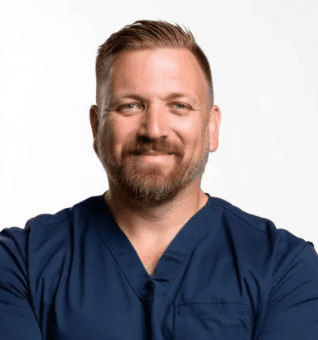
A message from our founder
Dr. David George
PMHNP-BC, FNP-BC, DC, CBIS, CCTP, ECDCS
Founder, Neuregen | Dual Board-Certified (Psychiatry & Family Practice) | Certified Clinical Trauma Professional | Certified Dementia Care- and Brain Injury Specialist
20+ years experience in clinical practice, focused in functional neurology (rehabilitation of injuries and conditions affecting the brain and nervous system), neurodiagnostics, and postgraduate educator in clinical neuroscience and neuro-orthopedic rehabilitation. Co-founder and Chief Science Officer of Nocira, developer of an FDA breakthrough Device-designated technology for acute migraine treatment, and named inventor on 40+ international patents related to medical technology.
Established medicine where it works. Emerging medicine where it makes sense. Rehabilitation throughout.
Neuregen was built for people whose recovery has become complicated.
Many of our patients come to us after months or years of persistent symptoms, multiple diagnoses, treatments that haven’t delivered enough improvement, or simply the sense that there must be more that can be done.
I created Neuregen to bring clinical neuroscience, psychiatry, neurorehabilitation and carefully selected advanced therapies together in one coordinated recovery strategy.
That means we don’t begin by ‘selecting a treatment.’ We begin by asking:
What is preventing this person from recovering?
From there, we establish a baseline, identify meaningful treatment targets, and determine which established or emerging approaches make sense for the individual in front of us. Every intervention should have a purpose. Every meaningful target should be measured. And the plan should change when the evidence from your recovery tells us it should.
We are also willing to evaluate promising therapies that may not yet be part of routine medical practice. Innovation matters — but so do evidence, safety and transparency. We explain what is established, what is emerging, and what remains investigational, along with the potential benefits, risks, alternatives and uncertainties.
You shouldn’t have to choose between thoughtful medicine and innovative medicine. Our goal is to bring both together — and keep rehabilitation at the center.
Read the full transcript
I'm David George. I'm the founder of Neuregen. So before Neuregen, I co-founded a medical device company which was awarded FDA's medical breakthrough device designation for the treatment of migraine — the first company to actually earn that designation. And I'd like to think that I bring that same degree of rigor and standards and clinical innovation to Neuregen. I'm clinically trained across three board certifications and specialty areas: functional neurology for rehabilitation of the brain and nervous system, family care for whole-person regenerative care, and integrative psychiatry for mental health, which is often treated as separate when it's really not. So why rehabilitation? So think of it this way. A physiatrist or a physical therapist doesn't compete with a cardiologist. Rather, the physical therapist or physiatrist picks up what was left behind, and we approach that in a similar way here in Neuregen. We ask what was left behind and what's standing in the way of recovery, and that's where we focus. So our approach is always to start with the simplest, lowest-risk options first, escalating only when your own needs or best evidence requires it. There's a lot more to this, and if you're ready to learn more, you can find more on our About page and the rest of this website. But if you're ready to talk about your own recovery, give us a call.
- Multi-Domain Evaluation
- Cross-Trained, Provider-Led Care
- One Integrated Recovery Plan
- Rehabilitation Throughout
- Clear Evidence, Honest Guidance, Shared Decisions
- Transparent Fees
The Neuregen Team
Different Expertise. One Recovery Strategy.
Complex recovery can involve the brain, body, nervous system and emotional health. Our multidisciplinary team brings different clinical perspectives together around one person, one plan and one goal: helping you move forward.




Annie Peterson
BSN, RN, CV-BC
Intensive-care-trained, cardiovascular-certified registered nurse
View full bioOur interest in clinical innovation stays grounded in rehabilitation: each option needs a clear purpose, evidence review and a way to assess its effect.
5.0 rating · 71 Google reviews
Experiences Shared by Our Patients
Excerpts from public Google reviews of Neuregen, quoted as written by the patients who left them.
“After 15+ years of struggling to manage symptoms, I am thrilled to say in 5 weeks of care at Neuregen my quality of life is vastly improved. Dr. George’s care model is precise, modern and custom to the patient. His bedside manner is impeccable.”
“From the moment we walked into his office, we were impressed. The facility was extremely clean, and the fresh, calming aroma immediately helped us feel relaxed. Dr. Dave has created an environment where patients can genuinely feel comfortable and at ease.”
“From the very first session he created a safe and welcoming environment where I felt comfortable without fear of judgement. Dr George listens attentively, asks thoughtful questions and provides insights that have helped me better understand myself.”
“After 15+ years of struggling to manage symptoms, I am thrilled to say in 5 weeks of care at Neuregen my quality of life is vastly improved. Dr. George’s care model is precise, modern and custom to the patient. His bedside manner is impeccable.”
“From the moment we walked into his office, we were impressed. The facility was extremely clean, and the fresh, calming aroma immediately helped us feel relaxed. Dr. Dave has created an environment where patients can genuinely feel comfortable and at ease.”
“From the very first session he created a safe and welcoming environment where I felt comfortable without fear of judgement. Dr George listens attentively, asks thoughtful questions and provides insights that have helped me better understand myself.”
“We went there for the Stellate Ganglion Block, and they walked us through the procedure and made sure we understood everything, how it worked, what to do before, during, and after, and made us feel very comfortable and relaxed. If you are looking to have this procedure done, I highly recommend this place.”
“Had short term memory issues, anxiety, depression. He took each one step by step. Didn’t make me feel embarrassed. Worked thru different methods and techniques to dissect the root cause of each and then built a comprehensive treatment plan to address and resolve each.”
“Dr. George is one-of-a-kind! He is passionate, compassionate, and generous with his knowledge and time. … He is honest every step of the way and will take the time to explain complex material and progressive procedures.”
“We went there for the Stellate Ganglion Block, and they walked us through the procedure and made sure we understood everything, how it worked, what to do before, during, and after, and made us feel very comfortable and relaxed. If you are looking to have this procedure done, I highly recommend this place.”
“Had short term memory issues, anxiety, depression. He took each one step by step. Didn’t make me feel embarrassed. Worked thru different methods and techniques to dissect the root cause of each and then built a comprehensive treatment plan to address and resolve each.”
“Dr. George is one-of-a-kind! He is passionate, compassionate, and generous with his knowledge and time. … He is honest every step of the way and will take the time to explain complex material and progressive procedures.”
“I was extremely nervous going into the procedure, but Dr. George talked me through every step. … Now, just two weeks after the procedure, I am already seeing the benefits. I am back in the gym and even able to box again.”
“Dr. George is an incredible listener with a compassionate and integrative approach that made me feel validated from day one. He developed an exceptional, customized care plan for me, and the results have been life-changing.”
“I was extremely nervous going into the procedure, but Dr. George talked me through every step. … Now, just two weeks after the procedure, I am already seeing the benefits. I am back in the gym and even able to box again.”
“Dr. George is an incredible listener with a compassionate and integrative approach that made me feel validated from day one. He developed an exceptional, customized care plan for me, and the results have been life-changing.”
Visiting from out of town
Planning Care Away From Home
You are welcome here—even if you do not live in Arizona. Start with a conversation about your symptoms, history, and goals. Then explore whether Neuregen’s integrated approach is a fit before committing to a trip.
A plan first. Travel second.
Start with a conversation
- Discuss your concerns and prior care in a Strategy Consultation.
- Let us know you would be traveling.
- Ask which records to share and how to send them securely.
Understand the plan and costs
- Discuss an individualized plan if evaluation is appropriate.
- Ask about appointments, preparation and recovery requirements.
- Request a current, itemized estimate.
Confirm before you book
- Discuss available dates and any companion needs.
- Confirm appointments and the expected stay before booking travel.
- Allow for the possibility of more than one trip.
Compare the whole visit, not just the treatment fee.
A lower treatment quote can make traveling to Arizona worthwhile, even after flights and accommodation. But savings depend on your plan. Compare current estimates for equivalent care, including treatment, travel, lodging, ground transportation, time away from work, and any follow-up trips. Lower total cost is a possibility—not a guarantee.
Practical details for your visit
AirportsFlights and the journey to Scottsdale
Compare flights through Phoenix Sky Harbor International Airport (PHX) and Mesa Gateway Airport (AZA). Check the ground journey to Scottsdale as well as the airfare.
Hotels and accommodationA stay that fits your care and comfort
Look for a hotel or extended-stay option near the clinic. Compare accessibility, a quiet room, cancellation flexibility, kitchen access, and space for a companion. Confirm rates and amenities with the property.
Getting aroundAirport transfers and rides to the clinic
Plan airport transfers and rides between your accommodation and the clinic. Rental cars, taxis, and rideshare may suit different trips; ask the clinical team about driving restrictions and whether an unaccompanied ride is appropriate after your treatment.
Before you make travel arrangements
How long would I need to stay?
There is no standard stay for every patient. Evaluation, the treatments recommended, recovery time, and any repeat visits determine your schedule. Ask the team to confirm the number of appointments, time between visits, and when you may travel home before buying tickets or making nonrefundable reservations.
Can appointments fit around my travel dates?
Tell the team where you are traveling from, your preferred dates, and any accessibility or caregiver needs. Ask which appointments can be coordinated during the same trip. Clinical suitability and appointment availability come first; a shorter trip is not always appropriate.
Should I bring someone, and what happens after I return home?
Ask whether your proposed treatment requires a companion, a responsible adult to take you back to your accommodation, or a period without driving or flying. Before leaving, clarify follow-up visits, how to contact the clinic with questions, and how the plan relates to care you receive at home. Do not assume follow-up can always be remote.
What travel help should I ask the clinic about?
Start with appointment timing and the requirements of your care plan. Ask the office whether it has current accommodation recommendations or other planning assistance available for your visit. Confirm any assistance directly before relying on it; the resources below are independent visitor information, not a clinic travel package or hotel partnership.
Start with your care plan. Then plan the journey.
Plan your visit to ArizonaQuestions About Care at Neuregen
Who the treatments are for, what they cost, and how visits work.
Candidates are individuals experiencing severe, chronic autonomic hyperarousal (fight-or-flight dominance), often presenting as PTSD, treatment-resistant panic disorders, severe trauma responses, or dysautonomia (including POTS). Candidates should have symptoms that have not fully resolved with traditional first-line psychiatric medications or cognitive therapies alone.
Still have a question?
Ask the assistant in the assistant section above, or call 866-999-1177.
Talk through your questions at a Strategy ConsultationVisit Neuregen in Scottsdale
Consultations, procedures and follow-up care at our Scottsdale clinic.
Clinic address
8090 N. 85th Way, Suite 100Scottsdale, AZ 85258
Clinic hours
Mon–Thu, 9:00 AM – 5:00 PM (Arizona time)
Closed Fri–Sun.
Questions about your visit?
866-999-1177Opens in Google Maps
We aren’t an alternative to conventional medicine — we frequently collaborate with providers seeking to expand care for their patients.
Refer your patientLet’s Talk About Your Next Step.
Tell us what you’d like help with and how to reach you. Our team will follow up to answer your questions and help you arrange a Strategy Consultation.
What to expect
Start with your story
Talk through your symptoms, history and goals with our care team.
Explore whether we’re a fit
Discuss what you have tried and whether an evaluation at Neuregen makes sense.
Agree on the next step
If care is appropriate, build a plan together. Treatment and timing follow that plan.