
About Neuregen
Complex nervous-system recovery requires more than a collection of treatments.
You may have told your story in several offices, received different recommendations and still be unsure what should happen next.
We help people with symptoms that cross specialties and remain unexplained by a single diagnosis by evaluating seven interacting systems together so that they can better understand what may be limiting recovery.
Evidence-informed. Measurement-guided. Designed to complement your existing medical care.
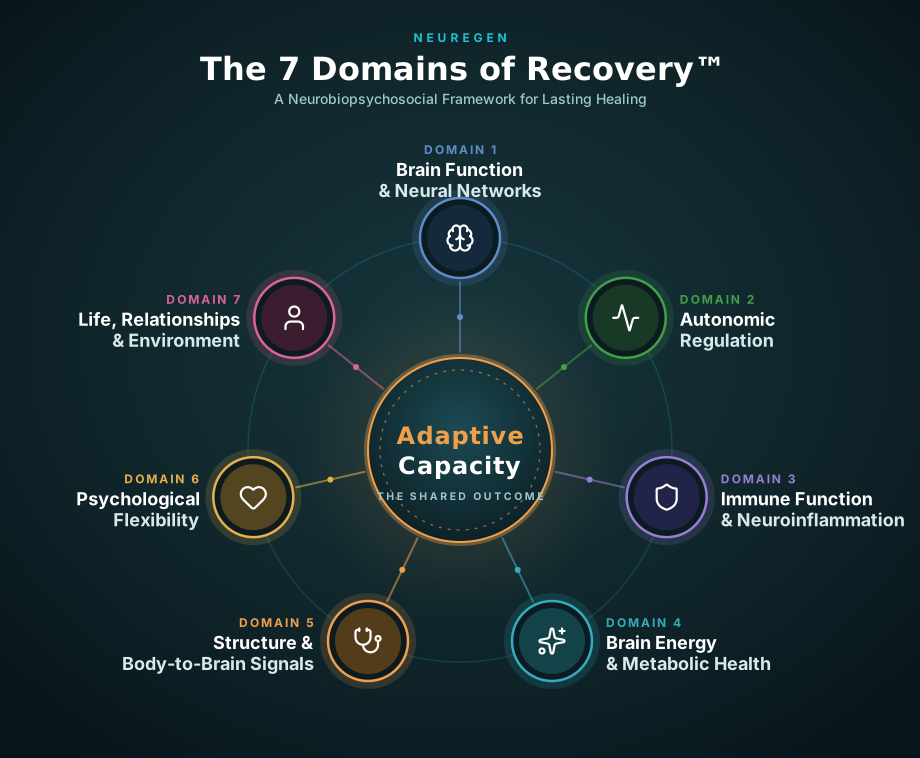
Where we fit
Modern integrative rehabilitation, applied to the nervous system.
Neuregen is a clinical integration platform for complex nervous-system recovery. We bring relevant findings together, decide which questions deserve priority and build a rehabilitation plan around the whole person.
Neurologists, psychiatrists, rheumatologists, endocrinologists, pain physicians and primary-care clinicians each bring essential expertise. Our home discipline is rehabilitation. We complement that care and support additional specialty evaluation when needed.
Across the systems that must work together for a person to recover, what is still standing in the way—and in what order should those barriers be addressed?
Sometimes the next step is to reinforce or better sequence care you already receive. Sometimes a contributor falls between specialties. We work with your existing clinicians to turn those findings into a coordinated path toward improved function.
Bringing the whole picture together
Different symptoms. Multiple specialties.
One integrated recovery plan.
Your symptoms may touch several areas of health, with each specialist seeing an important part of your story. The 7 Domains of Recovery™ give us a shared clinical map to connect those findings, identify what may be limiting recovery and coordinate a plan with you and your existing clinicians.
From separate findings to shared priorities. From fragmented care to one coordinated plan.
Symptoms & specialty perspectives
Psychiatry
Mood, anxiety, sleep & emotional health
Neurology
Thinking, headaches, dizziness & nerve symptoms
Physical therapy & rehabilitation
Movement, balance, pain & stability
Primary care & functional medicine
Energy, immune function & whole-body health

Connecting
your findings
The 7 Domains of Recovery™
One shared clinical map. You at the center.
One person.
One plan.
Treat the condition.
Rehabilitate
the person.
From the whole picture to a coordinated plan
See the whole picture
Bring your symptoms and findings together.
Identify what matters
Focus on your recovery priorities.
Coordinate your care
Connect each therapy to a purpose.
Measure and adapt
Let your response guide the plan.
We work with your existing clinicians. The domains guide our questions; your findings determine which areas need attention.
How we build your planRead the full transcript
So many of our patients tell us that up until now, they were just not being heard. What you should realize is that very often it's not due to a lack of empathy on the part of your providers. It's just that you've been working through a healthcare system that necessarily deals with specialists that view things one system at a time. For many of these conditions, we need to take a holistic, integrated approach that considers how these systems are interacting, and we treat them under one roof. How we approach the challenging problems that we see is by looking at seven domains of function. The first is brain function and neural networks. Essentially, asking the question: how are the different areas of your brain and nervous system communicating with each other and the rest of your body? The second is autonomic or nervous-system regulation, where we ask questions like: is your body stuck in a dominant fight-or-flight mode? Next is immune function and neuroinflammation, where essentially we're asking: is your immune system working against your brain and nervous system? After that is brain energy and metabolic health, where essentially we're asking: does your brain have enough energy to heal? Following that, we look at structure, stability and body-to-brain signals. Essentially, we're asking: is something physical feeding this problem? The next domain is psychological flexibility and behavioral recovery, where we're asking how your mind has adapted for survival and what that's costing you. So the final domain deals with life and your environment, because frankly, you don't heal in a vacuum, and sometimes your environment can be working against you. So what is preventing this person from recovering? That's the only question that matters. We identify it, we target it, we regulate it, and we restore health. In practice, that means your plan might include physical rehabilitation, procedures, or even talk therapy. The point is it's in an order that actually helps you; it's not a one-size-fits-all. This model is behind everything we do here, so let's find out which domains apply to you.
The 7 Domains in 45 seconds
Video in production
How the seven domains fit together
Poor sleep, dizziness and trouble concentrating can affect the same day. The 7 Domains of Recovery™ give us a way to discuss those experiences together, including what is happening at work and at home.
We ask what you could do before symptoms began, what has changed and what you have already tried. Those answers help us decide which questions your evaluation needs to address.
See the questions we consider across all seven domains.
Our clinical map
Seven domains. One coordinated recovery plan.
Some domains may be central to your case, others secondary, and some may require no intervention. Open a domain to explore its question, common signals and related pathways. Symptoms alone do not establish a diagnosis.
1Neural Networks & Brain Function

How effectively is the brain receiving, organizing, and responding to information?
This domain considers cognitive function, attention, memory, executive control, sensory integration, balance, eye movements, vestibular processing, and the coordination of brain networks that support daily function.
Common signals: brain fog, memory difficulty, dizziness, imbalance, slowed processing, sensory overload, impaired coordination.
Explore Neural Networks & Brain Function →Related condition pathways
2Autonomic Regulation
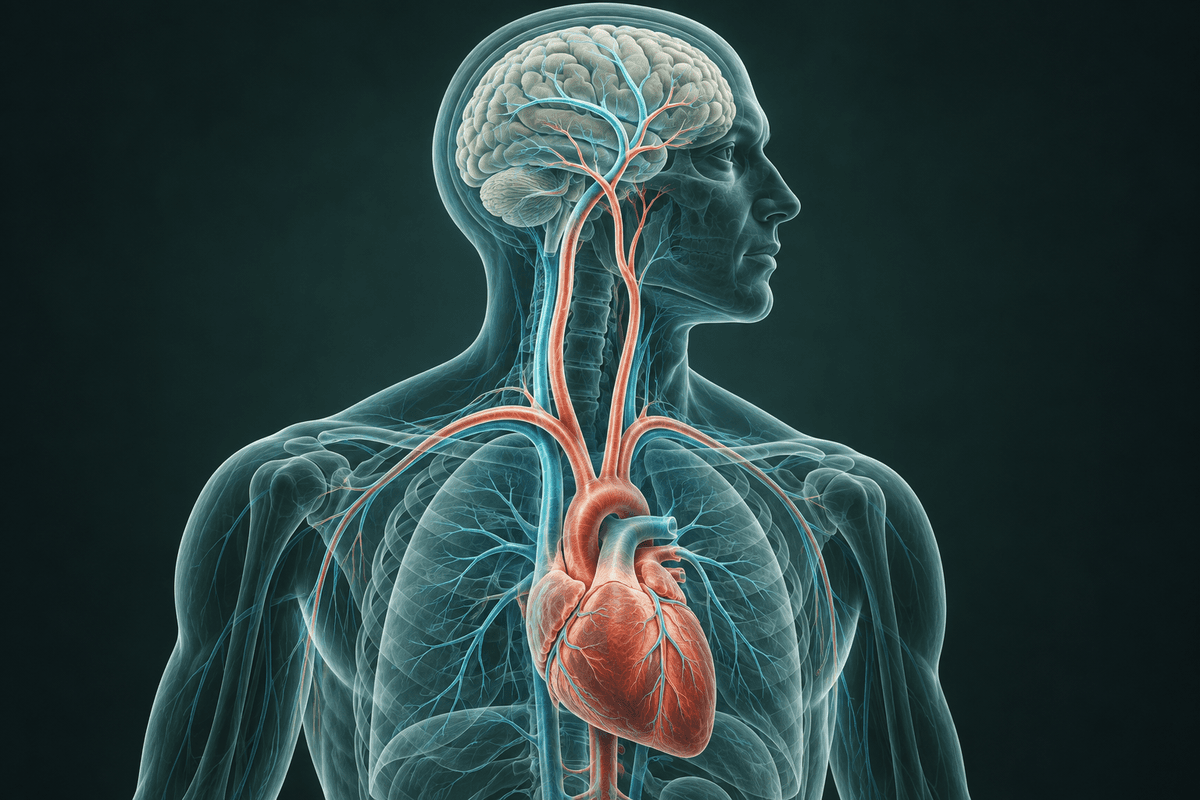
Can the nervous system shift appropriately between activation, recovery, and rest?
This domain examines sympathetic and parasympathetic regulation, heart-rate and blood-pressure responses, orthostatic tolerance, sleep-wake regulation, and persistent threat physiology.
Common signals: palpitations, lightheadedness, exercise intolerance, temperature sensitivity, disrupted sleep, hyperarousal, postural symptoms.
Explore Autonomic Regulation →Related condition pathways
3Immune & Neuroinflammatory Regulation

Could immune activation or inflammation be disrupting nervous-system function?
This domain evaluates patterns involving post-infectious illness, mast-cell activation, autoimmunity, inflammatory signaling, and other immune processes that may influence cognition, energy, pain, or autonomic stability.
Common signals: post-viral symptoms, fluctuating fatigue, food or environmental reactivity, pain flares, cognitive worsening, multisystem symptoms.
Explore Immune & Neuroinflammatory Regulation →Related condition pathways
4Metabolic & Brain Energy Function
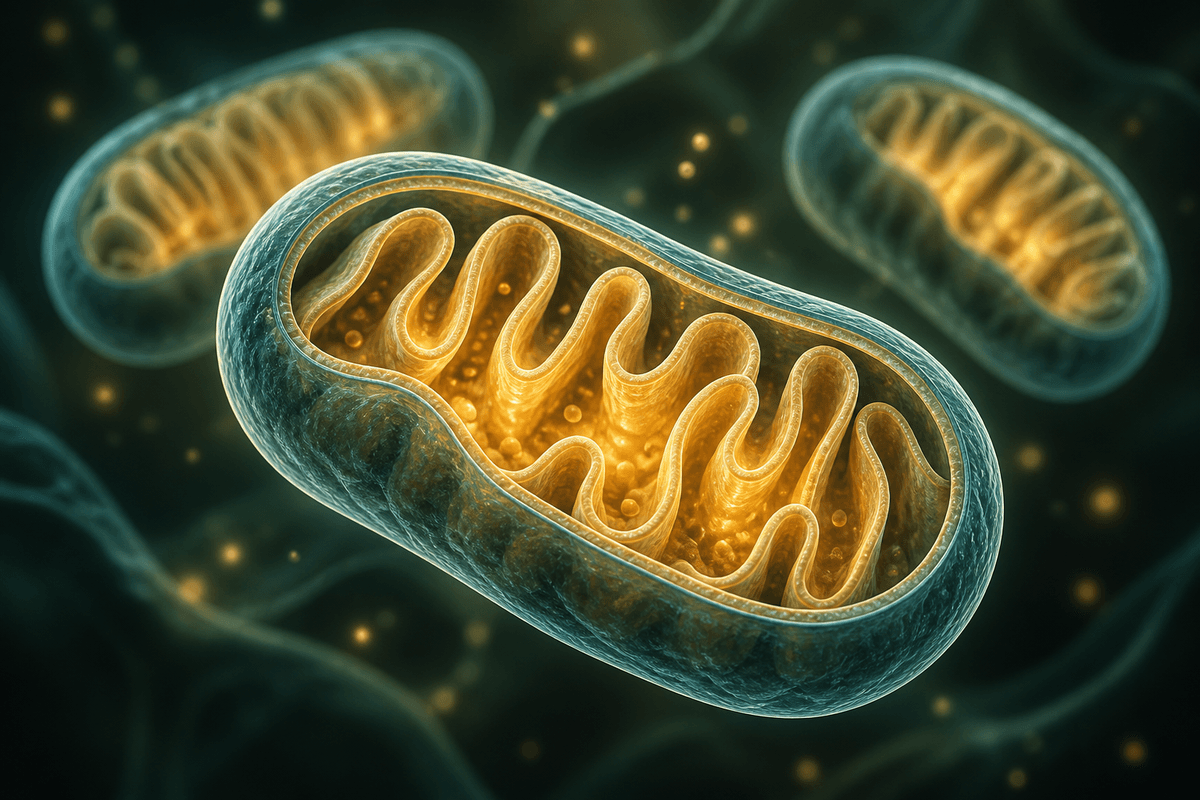
Does the brain have the energy, oxygen delivery, and metabolic support required to recover?
This domain considers mitochondrial function, glucose and lactate metabolism, cerebral blood flow, oxidative stress, nutrition, sleep, and other factors that influence the energy demands of repair and neuroplasticity.
Common signals: exertional crashes, persistent fatigue, reduced cognitive endurance, slow recovery, sleep-related worsening, diminished physical capacity.
Explore Metabolic & Brain Energy Function →Related condition pathways
5Structural & Peripheral Inputs
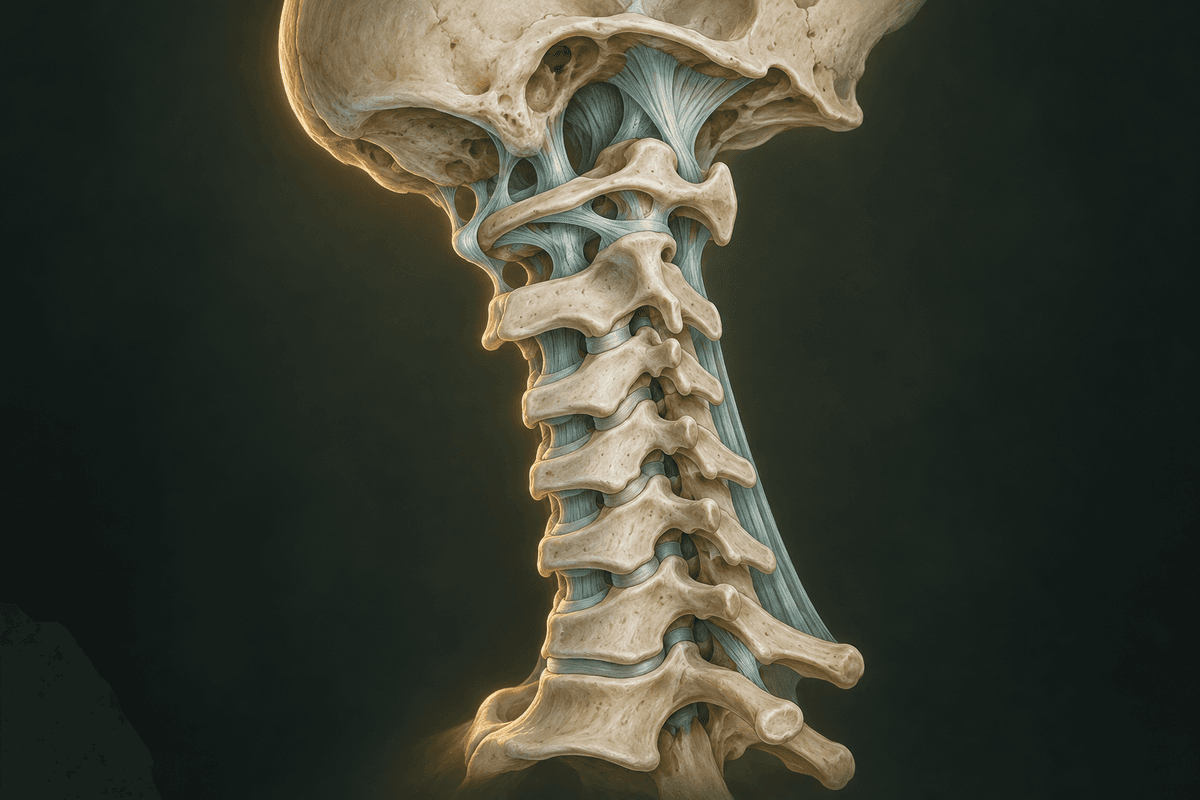
Are signals from the neck, vestibular system, nerves, joints, or soft tissues continually disrupting the brain?
This domain assesses the physical inputs entering the nervous system, including cervical stability, vestibular and visual signals, peripheral and cranial nerves, muscles, fascia, joints, ligaments, and movement patterns.
Common signals: neck or back pain, headache, dizziness with movement, neuropathic pain, joint instability, altered gait, persistent muscle guarding.
Explore Structural & Peripheral Inputs →Related condition pathways
6Psychological & Behavioral Adaptation

How are emotion, behavior, learning, and lived experience shaping recovery?
This domain addresses trauma, mood, anxiety, sleep behaviors, avoidance, craving, coping patterns, and the psychological flexibility needed to re-engage with life while the nervous system heals.
Common signals: fear of symptoms, depression, anxiety, insomnia, avoidance, loss of confidence, trauma responses, difficulty sustaining healthy routines.
Explore Psychological & Behavioral Adaptation →Related condition pathways
7Social & Environmental Context

Does the person’s daily environment support recovery—or continually work against it?
This domain considers relationships, work demands, caregiving responsibilities, lifestyle, environmental exposures, and the digital and physical settings in which recovery must occur.
Common signals: unsustainable workload, isolation, exposure concerns, conflicting demands, limited support, difficulty implementing a care plan.
Explore Social & Environmental Context →Related condition pathways
How the model guides care
We do not treat all seven domains. We use all seven to decide what matters.
The purpose of the framework is better clinical decisions. The right intervention matters. So does the order in which it is used.
01
Assess
Understand your history, current function, prior workup, goals and patterns across the seven domains.
02
Prioritize
Decide which findings matter most to your recovery, including relationships between domains.
03
Sequence
Agree what should happen first, next or alongside other care, with safety and your capacity in mind.
04
Rehabilitate
Practice the functions and activities that matter to you, with support suited to your current ability.
05
Measure and adapt
Use clinical response and relevant outcomes to decide what to continue, change or stop.
We default to the simplest, lowest-risk intervention that can move a domain forward—and escalate only when the evidence and your course support it.
Your plan is expected to evolve. What is appropriate early in recovery may differ from what is useful later.
How we build your plan →An illustrative plan
One person. Several interacting barriers.
Composite example—not a patient testimonial or treatment recommendation.
Imagine someone who used to run regularly and now struggles with standing, concentration and a full workday after an illness. Poor sleep and neck pain make daily routines harder, and work demands leave little room to recover.
The team reviews existing findings and considers autonomic regulation, brain function, energy, structural inputs and life circumstances together. Initial priorities might include clarifying standing-related symptoms with the appropriate clinician and agreeing on manageable daily demands before progressing rehabilitation.
The plan sets practical goals—such as tolerating a necessary errand or concentrating on a short task—and checks response before adding more. The domains guide the questions; individual findings determine the care.
What Neuregen does
Our therapies may change. These four clinical roles remain constant.
- 01
Systems-based diagnostic clinic
We evaluate interacting barriers to recovery across the 7 Domains rather than beginning with the question, “Which specialty owns this symptom?” Existing records, specialist findings, clinical history, and targeted assessment all help inform the map.
What to expect → - 02
Regenerative rehabilitation clinic
We work to improve the conditions required for recovery, then actively drive rehabilitation, adaptation, and neuroplasticity. Removing a barrier is not the finish line; improved function is the goal.
Programs & pathways → - 03
Curator of emerging therapies
We evaluate promising regenerative, biologic, metabolic, and neuromodulatory approaches while distinguishing established evidence from emerging evidence. Novel does not automatically mean appropriate, and every option must earn a place in the plan.
Research & evidence → - 04
Parallel clinical pathway
We collaborate with existing providers to support recovery when problems cross specialties or progress has stalled. This pathway runs alongside mainstream medicine, drawing on specialist findings and supporting additional specialty care when needed.
Referring clinicians →
Coordinated care
We collaborate with conventional and specialty medicine.
We may help organize a complex case, address functional barriers that remain after a specialty workup, or provide a structured rehabilitation pathway. When you need additional specialty evaluation or conventional treatment, we support that care.
Neuregen welcomes collaboration with neurologists, psychiatrists, rheumatologists, primary-care clinicians, chiropractors, therapists and rehabilitation professionals. Your existing records and specialist findings help shape the shared plan.
When a broader view may be useful
Designed for complex, persistent and overlapping presentations.
- Your symptoms involve more than one system or specialty.
- A diagnosis explains part of the picture, but daily limitations remain.
- Treatment has helped, but progress has plateaued.
- You have several recommendations without a clear sequence.
- You need a rehabilitation plan after medical stabilization.
A consultation does not assume Neuregen treatment is appropriate. Some people may first need urgent, diagnostic or specialty care elsewhere.
Potential therapies
Tools serve the plan.
We use established medicine where it works, and emerging medicine where it makes sense. Each category includes different options; evidence depends on the specific treatment, condition and intended use.
These are the evidence labels you will see on treatment pages, not ratings for an entire category. Emerging and investigational uses carry greater uncertainty. Benefits, risks, alternatives, cost and regulatory status should be discussed before care is considered.
- Precision Injection Therapies →
- Blood Rehabilitation →
- Neurorehabilitation →
- Regenerative Therapies →
- Integrative Psychiatry →
Frequently asked questions
Does Neuregen replace my neurologist, psychiatrist, or other specialist?
No. Neuregen is designed to complement specialty care. We focus on rehabilitation: identifying interacting barriers to function, coordinating priorities across domains, and building a sequenced recovery plan. We may also recommend additional specialty evaluation when needed.
Why see one clinic instead of seven separate specialists?
You may still need more than one specialist. Neuregen offers a shared rehabilitation plan that brings relevant findings into one conversation, sets priorities and coordinates the order of care. The goal is clearer collaboration, not replacing the clinicians you already trust.
Will every patient receive treatment in all seven domains?
No. The seven domains are an assessment and decision-making framework—not a seven-part treatment package. Care focuses only on the domains and priorities relevant to the individual patient.
Does an integrative approach mean avoiding medication or conventional treatment?
No. Neuregen is neither anti-medication nor procedure-driven. We default to the simplest, lowest-risk intervention capable of moving recovery forward and escalate when the evidence and the patient’s course support it.
How do you decide which treatment should come first?
We consider clinical urgency, safety, the strength of the evidence, the patient’s goals, and how one domain may affect another. Treatment is then sequenced so that foundational barriers are addressed before—or alongside—more demanding rehabilitation.
Do you offer emerging or experimental therapies?
Neuregen evaluates selected emerging approaches and clearly distinguishes established evidence from early or evolving evidence. A therapy’s novelty does not make it appropriate. Potential benefits, limitations, alternatives, cost, and uncertainty should be discussed before it is considered.
How is progress measured?
Measurement depends on the patient’s presentation and may include symptom scales, functional assessments, cognitive or balance testing, activity tolerance, sleep measures, autonomic findings, and progress toward personally meaningful goals.
Your next step
Recovery becomes more actionable when the whole system is visible.
If symptoms cross specialties or progress has stalled, reassessment can help clarify what may be limiting recovery and what should happen next.
Begin with a conversation. Our team will help determine whether Neuregen is an appropriate next step.