
Start with what life feels like now
What is known about ketamine in alcohol recovery?
We help people with memory or sleep problems that remain in sobriety by examining brain and nervous-system recovery so that they can work toward feeling more capable in daily life.
How we look at the whole picture
You are sober, but your concentration, balance or sleep still does not feel like it used to.
Staying sober matters. So does being able to work, remember conversations and participate in your family again.
You do not need to know which treatment to ask for. Start with what has changed and what you want to be able to do again.
The 7 Domains of Recovery™
Your symptoms may belong in the same conversation.
Recovery after alcohol use can involve thinking, energy, sleep, emotional health and relationships. The seven domains help us consider those needs alongside sobriety.
Neuregen's proprietary 7 Domains of Recovery framework organizes that conversation around seven connected parts of your life and health. We consider all seven, then focus the evaluation on the questions your history raises.
Explore our clinical framework- 1Brain function & neural networks
What has changed in your memory, concentration, balance or sensory tolerance?
- 2Autonomic & nervous system regulation
What happens when you stand, move, rest or encounter stress?
- 3Immune function & neuroinflammation
What immune history, reactions or symptoms need a closer look?
- 4Brain energy & metabolic health
What affects your energy through the day and after activity?
- 5Structure, stability & body-to-brain signals
How do pain, posture, movement and stability affect what you can do?
- 6Psychological flexibility & behavioral recovery
How are mood, stress and patterns of coping affecting your day?
- 7Life, relationships & environment
What demands, relationships and support shape your recovery?
A plan starts with the things you want to do again.
We review what has changed since stopping alcohol, current recovery support and any prior evaluations. We agree on practical goals and choose assessments relevant to those goals.
01
Tell us what you want your life to look like
We start with what has changed, what you have tried, and the activities you most want to return to.
02
Answer the questions the history leaves open
We review prior reports and select relevant assessments. You should understand what each assessment is meant to clarify.
03
Agree on the priorities and the first steps
We discuss the findings, possible approaches, costs and practical constraints. The plan sets an order that fits your situation.
04
Check what changes and adjust together
We compare your response with the starting point, including daily function. If something is not helping, we discuss what needs to change.
Only then do we discuss which therapies, if any, belong in your plan. The choice depends on the findings, the evidence, your preferences and how you respond.
Talk through your situationKetamine Therapy · Indication
Ketamine for Alcohol Use Disorder
Abstinence is just a starting point — where do you go to heal your brain?
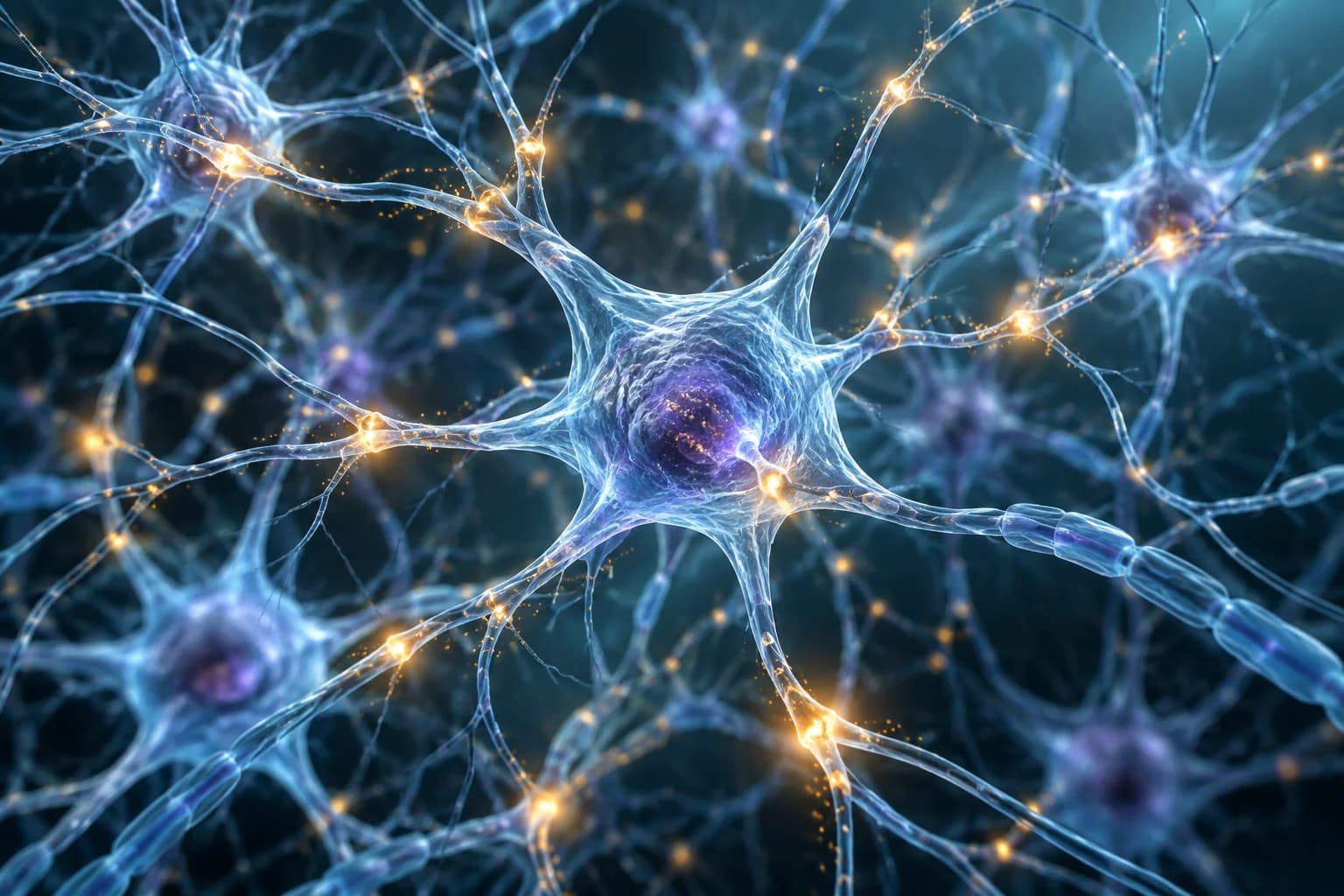
Conceptual artwork for the care discussion. Individual findings and treatment options require clinical evaluation.
AUD as a brain-healing problem
Abstinence is the necessary first step, but it does not repair the neurobiological damage that alcohol use disorder causes. Craving circuits, altered reward signaling, and disrupted NMDA receptor function persist after drinking stops — and these are the mechanisms that drive relapse. A program that stops at abstinence and does not address the underlying neurobiology will lose a significant portion of patients back to drinking.
Ketamine's NMDA antagonism targets the glutamate system — the same system that alcohol dysregulates. Early clinical trials suggest ketamine can reduce craving, support new learning during a period of neuroplastic openness, and facilitate the kind of lasting behavioral change that abstinence alone cannot produce. At Neuregen, ketamine for AUD is offered within the broader brain rehabilitation program — not as a detox substitute, and not as a standalone infusion.
Domains most involved:
Every plan starts from the same map: the 7 Domains of Recovery.
How it fits your plan
For alcohol-related recovery, we review current use, recovery support, symptoms and clinical suitability. Any ketamine option is discussed as part of the broader psychiatric care plan, with its limitations made clear.
Mood, sleep, concentration and physical symptoms can affect the same parts of your day. We consider them together before discussing a specific psychiatric approach, so psychotherapy or medication decisions fit the wider care plan.
We review your history, explain the findings, agree on next steps and check how you respond.
Potential Therapies
We use established medicine where it works, and emerging medicine where it makes sense.
These are options to discuss after evaluation, not a predetermined treatment plan. Each label refers to the condition or indication described beside that therapy; evidence can differ for another use. An evidence label does not mean FDA approval.
- Sub-anesthetic IV ketamineEvidence: Emerging
EMERGING for AUD and craving reduction — promising early trial data, active investigation, not yet a standard of care for this indication.
- KAP componentEvidence: Emerging
The psychotherapy integration layer — particularly relevant in AUD, where the behavioral and relapse-prevention work done in the neuroplastic window may determine long-term outcome.
- AUDIT-C, substance-use history (Domain 6 intake)Evidence: Established
Validated intake tools to characterize the AUD pattern and establish baseline.
Where the evidence stands
Ketamine for alcohol use disorder is an active area of clinical investigation, supported by several randomized controlled trials showing reduction in relapse and craving. It is not yet a standard of care for AUD, and Neuregen labels it EMERGING — promising and clinically offered, but not yet guideline-endorsed for this specific indication.
Sources and what they support
- NIAAA: evidence-based treatment options for alcohol use disorder
Evidence-based alcohol care includes behavioral treatment and approved medications. Adjunctive brain-recovery procedures do not replace addiction care or medically supervised withdrawal when needed.
How we grade evidence
Pricing
| Service | Price |
|---|---|
| Ketamine therapy, single session | Confirmed in writing at your Strategy Consultation |
| Ketamine therapy, 6-session series | Confirmed in writing at your Strategy Consultation |
| Ketamine-assisted psychotherapy (KAP) sessionIncludes the psychotherapy component; priced separately from infusion-only sessions | Confirmed in writing at your Strategy Consultation |
| Ketamine maintenance sessionBooster sessions after a completed series, scheduled by response | Confirmed in writing at your Strategy Consultation |
Ketamine therapy is typically not covered by insurance. Spravato (esketamine) is sometimes covered when prescribed under its approved indications; we will tell you which applies to you before you commit.
Financing options are reviewed at your Strategy Consultation before any plan is finalized.
The training behind this care
Neuregen combines integrative psychiatric care with nervous-system rehabilitation. Our team can discuss psychological and physical concerns in the same clinical context, while explaining the qualifications and role of each treating clinician.
Dr. David George: Board certifications and training in functional neurology, integrative psychiatry, and mental health; certified brain injury specialist.
Training most relevant to this area
- Certified Clinical Trauma Professional (CCTP)
- PMHNP-BC
- Active Psychotherapist
- Certified Hypnotherapist
- CBT-I (Cognitive Behavioral Therapy for Insomnia) trained
These are the founder’s qualifications. We confirm the treating clinician and their role when discussing your plan.
See Dr. George’s full credentialsFrequently asked questions
Is ketamine a detox treatment for alcohol?
No. Ketamine is not used for alcohol detoxification and is not offered as an acute withdrawal management tool. It is used after stabilization, for patients who are past active use and focused on brain-healing and relapse prevention.
How does ketamine help with alcohol craving?
Alcohol dysregulates the glutamate system — particularly NMDA receptor function — and this dysregulation persists after drinking stops. Ketamine's NMDA antagonism can reset aspects of that signaling, reduce craving, and open a neuroplastic window during which new behavioral patterns are more accessible. The KAP component is particularly relevant here: the psychotherapy work done in that window may determine how lasting the effect is.
What does the evidence show for ketamine in AUD?
Several randomized controlled trials have shown that ketamine, particularly when paired with psychological support, reduces relapse rates and craving in patients with AUD. The evidence is promising but not yet sufficient to designate ketamine as a standard of care for AUD. Neuregen labels this use EMERGING and discusses the evidence at the Strategy Consultation.
Is AUD treatment at Neuregen just about ketamine?
No. AUD at Neuregen is treated as a brain-rehabilitation problem across multiple domains. Ketamine is one tool that may be part of the plan; the full program addresses the neurobiological, autonomic, and psychological dimensions of recovery from alcohol use disorder.
Start with a Strategy Consultation
When distress or poor sleep keeps affecting relationships and everyday responsibilities, putting off a conversation leaves those concerns unresolved. You can ask about next steps without committing to medication or a procedure.
8090 N. 85th Way, Suite 100, Scottsdale, AZ 85258 · Mon–Thu, 9:00 AM – 5:30 PM