Daily function · ADCS-ADL
Everyday activities, such as dressing and managing daily tasks.
52%
less decline reported
p = 0.03
Statistically significant difference
+3.5 points versus sham
95% CI: +0.4 to +6.6

Start with what life feels like now
We help people with memory changes that affect life at home by evaluating their needs with their family so that they can plan support around the activities and relationships that matter.
How we look at the whole picture
Conversations repeat. Familiar routines take more effort. You may be noticing changes in yourself or someone you love.
You want to understand what is happening and what you can do next as a family.
You do not need to know which treatment to ask for. Start with what has changed and what you want to be able to do again.
The 7 Domains of Recovery™
Memory changes need a careful evaluation. The seven-domain approach also considers function, sleep, energy, emotional health, physical needs and the support available at home.
Neuregen's proprietary 7 Domains of Recovery framework organizes that conversation around seven connected parts of your life and health. We consider all seven, then focus the evaluation on the questions your history raises.
Explore our clinical frameworkWhat has changed in your memory, concentration, balance or sensory tolerance?
What happens when you stand, move, rest or encounter stress?
What immune history, reactions or symptoms need a closer look?
What affects your energy through the day and after activity?
How do pain, posture, movement and stability affect what you can do?
How are mood, stress and patterns of coping affecting your day?
What demands, relationships and support shape your recovery?
We review the timeline, daily function, previous assessments and family concerns. We discuss what further evaluation could clarify and agree on priorities for support and follow-up.
01
We start with what has changed, what you have tried, and the activities you most want to return to.
02
We review prior reports and select relevant assessments. You should understand what each assessment is meant to clarify.
03
We discuss the findings, possible approaches, costs and practical constraints. The plan sets an order that fits your situation.
04
We compare your response with the starting point, including daily function. If something is not helping, we discuss what needs to change.
Only then do we discuss which therapies, if any, belong in your plan. The choice depends on the findings, the evidence, your preferences and how you respond.
Talk through your situationModerate evidence for the studied protocol, with important questions still open
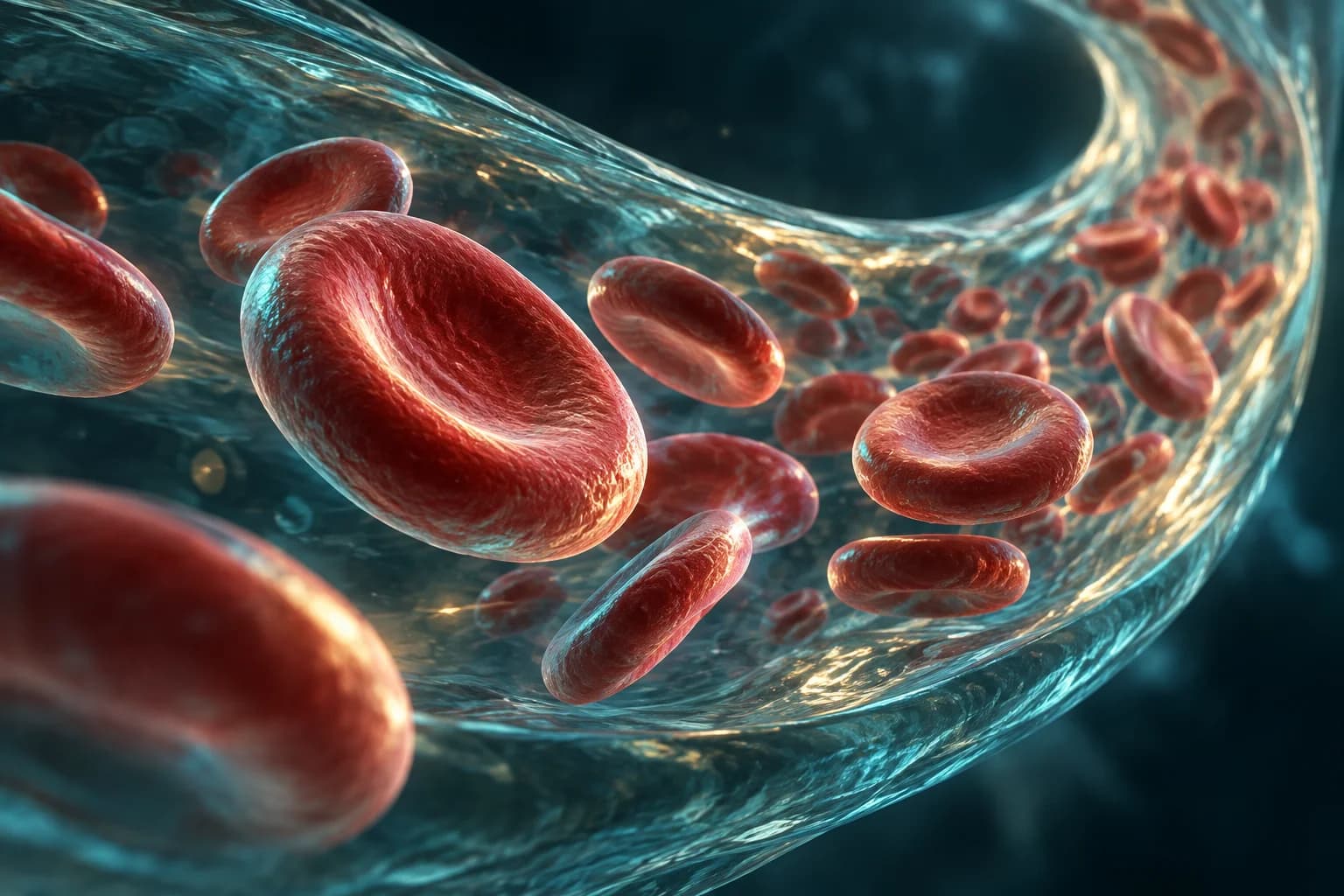
Therapeutic plasma exchange removes a patient's plasma and replaces it with replacement fluid, thereby reducing circulating autoantibodies, immune complexes, cytokines, and other plasma constituents. For several established neurologic and autoimmune diseases -- including Guillain-Barre syndrome, myasthenia gravis, and some forms of autoimmune encephalitis -- the evidence base is well supported. Researchers are actively investigating whether similar mechanisms may benefit patients with Alzheimer's disease.
Plasma exchange & Alzheimer’s research
Plasma exchange with albumin replacement has moderate evidence for slowing decline in mild-to-moderate Alzheimer’s disease. AMBAR found less decline in daily function; its overall cognitive result favored treatment but did not meet the conventional statistical-significance threshold. This remains a developing approach, not an established standard of care.
496 people screened → 347 randomized across 41 centers in Spain and the United States. Three active treatment arms were compared with sham exchange.
Study entry
Mild-to-moderate Alzheimer’s
Diagnosed participants, with baseline MMSE scores of 18–26.
Initial treatment
6 weekly exchanges
Conventional plasma exchange with albumin replacement.
Maintenance & follow-up
12 months of monthly exchange
Low-volume exchange; primary outcomes assessed at month 14.
Some active arms also received intravenous immunoglobulin (IVIG). This diagram describes the research schedule; it is not a prescribed treatment package. AMBAR study design (2019)
Pooled treatment groups versus sham exchange at 14 months. “Less decline” compares average changes between groups; it does not mean regained ability or the chance that an individual will improve.
Everyday activities, such as dressing and managing daily tasks.
52%
less decline reported
p = 0.03
Statistically significant difference
+3.5 points versus sham
95% CI: +0.4 to +6.6
Memory, language and other thinking abilities.
66%
less decline reported
p = 0.06
Did not meet the conventional p < 0.05 threshold
−2.1 points versus sham
95% CI: −4.4 to +0.2
61% less decline on both primary measures: daily function (p = 0.002) and cognition (p = 0.05). These subgroup findings are encouraging but need confirmation.
No significant benefit on the two primary outcomes. Both treated and sham groups showed little change. These findings cannot be extended to prevention or mild cognitive impairment.
Secondary global measures favored treatment: 71% less decline on CDR-SB (p = 0.002) and 100% less decline on ADCS-CGIC (p < 0.0001). These are scale-specific group comparisons, not a cure or complete recovery.
Further analyses of the same AMBAR participants reported selected language, processing-speed and memory findings. They are additional analyses, not independent replications. CSF Aβ42 patterns also differed between groups; this does not directly demonstrate that brain plaques were removed.
The proposed mechanism
Researchers are studying whether changing the proteins circulating in blood can influence the movement of amyloid-β (Aβ) between blood and the brain. This is a hypothesis about how treatment might work.
Brain & cerebrospinal fluid
Aβ exists in a complex balance between the brain, its surrounding fluid and blood.
Albumin in the blood
Albumin binds much of the circulating Aβ. Replacement albumin provides new binding capacity.
Plasma exchange
The procedure removes plasma and returns the patient’s blood cells with replacement fluid.
What happens in the treatment circuit
TPE acts on blood plasma; it does not directly filter the brain. Albumin’s antioxidant and immune-related properties are also being studied. Biomarker changes alone do not prove brain amyloid removal or clinical benefit. Read the AMBAR rationale and findings.
Observational evidence · 2025
Compared with 194 historical controls, the cohort reported 45% less MMSE decline and 88% less deterioration in immediate recall (both p < 0.001).
Historical controls were not randomized contemporaneous patients. Differences in selection, care and follow-up can influence the results. This supports further study rather than confirming the trial’s effect.
Taragano et al. · Observational cohort (2025)Earlier randomized research
An earlier sham-controlled study reported memory and language signals, including some persisting after treatment stopped. The CSF Aβ42 comparison was not conventionally significant (p = 0.072).
Its small size and multiple outcomes limit confidence in a broad clinical benefit.
Boada et al. · Earlier phase II trialPreclinical research · 2023
Monthly albumin-based plasma exchange reduced circulating and insoluble brain Aβ and plaque burden in an Alzheimer’s mouse model.
Animal results support a biological rationale. They do not establish memory benefit, safety or an effective schedule for people.
Ramirez et al. · APP/PS1 mouse study (2023)A pre-AMBAR review assessed studies available before April 2016 and judged the evidence very low quality. It predates the larger trial and cannot be treated as a current synthesis. Luengo-Matos et al. · Pre-AMBAR review
TPE at Neuregen is not offered as a standalone infusion. It is one component of a multi-domain plan that also includes diagnostics, cognitive rehabilitation, metabolic support, and precision medicine. We review the clinical picture before recommending TPE and build a protocol specific to each patient's history.
Promising does not mean proven. Promising deserves serious investigation. Neuregen does not guarantee outcomes for any therapy, and TPE for Alzheimer's disease is no exception. We label evidence honestly so that patients and families can make informed decisions alongside their full medical team.
Each topic on this page fits into a sequenced care plan built around your biology. See how Neuregen builds your plan.
No. It is the reported relative difference in average decline between AMBAR’s pooled treatment groups and sham group over 14 months. It is not a percentage of patients who improved, a reversal of Alzheimer’s or a prediction for one person. The overall cognitive comparison had p = 0.06 and did not meet the conventional p < 0.05 threshold.
No. The moderate subgroup (baseline MMSE 18–21) had 61% less decline on both daily-function and cognition measures, with p = 0.002 and p = 0.05 respectively. The mild subgroup (MMSE 22–26) did not show a significant benefit on the two primary outcomes. Subgroup results require cautious interpretation.
No. Therapeutic plasma exchange for Alzheimer's is a developing approach with moderate evidence for the studied albumin protocol but it is not a cure and no outcome can be guaranteed. Neuregen presents it honestly, as one component of a comprehensive program.
AMBAR was a multi-center clinical trial that investigated plasma exchange with albumin replacement in mild-to-moderate Alzheimer's disease. Neuregen uses the term AMBAR-informed to indicate that its TPE protocol in Alzheimer's care draws on the clinical rationale and design principles from that research.
We review your history, current medications, and overall clinical picture before recommending TPE. The Strategy Consultation is the first step, followed by a full medical review if Neuregen is a fit.
Yes. Neuregen works alongside existing care teams. We do not ask patients to leave their neurologist; we ask whether there is a component of their care that is stalled and whether a multi-domain rehabilitation program can address it.
Neuregen is an out-of-network specialty clinic. Patients are responsible for fees at the time of service. Payment specifics can be discussed during the Strategy Consultation.
This trial studied a specific plasma-exchange and albumin-replacement protocol. Its findings do not establish benefit for other conditions or every clinic protocol.
Neuregen is an out-of-network specialty clinic. Patients are responsible for fees at the time of service.
A Strategy Consultation determines candidacy before any treatment is recommended.
All treatment plans are set by our clinical team after a thorough medical review.
Every plan starts from the same map: the 7 Domains of Recovery.
A real clinical conversation, not a sales call. We review your history, answer your questions, and discuss with you whether Neuregen is the right fit.
8090 N. 85th Way, Suite 100, Scottsdale, AZ 85258 · Mon–Thu, 9:00 AM – 5:30 PM