
Start with what life feels like now
What can—and cannot—a blood test tell you about Alzheimer’s?
We help people with memory changes that affect life at home by evaluating their needs with their family so that they can plan support around the activities and relationships that matter.
How we look at the whole picture
Conversations repeat. Familiar routines take more effort. You may be noticing changes in yourself or someone you love.
You want to understand what is happening and what you can do next as a family.
You do not need to know which treatment to ask for. Start with what has changed and what you want to be able to do again.
The 7 Domains of Recovery™
Your symptoms may belong in the same conversation.
Memory changes need a careful evaluation. The seven-domain approach also considers function, sleep, energy, emotional health, physical needs and the support available at home.
Neuregen's proprietary 7 Domains of Recovery framework organizes that conversation around seven connected parts of your life and health. We consider all seven, then focus the evaluation on the questions your history raises.
Explore our clinical framework- 1Brain function & neural networks
What has changed in your memory, concentration, balance or sensory tolerance?
- 2Autonomic & nervous system regulation
What happens when you stand, move, rest or encounter stress?
- 3Immune function & neuroinflammation
What immune history, reactions or symptoms need a closer look?
- 4Brain energy & metabolic health
What affects your energy through the day and after activity?
- 5Structure, stability & body-to-brain signals
How do pain, posture, movement and stability affect what you can do?
- 6Psychological flexibility & behavioral recovery
How are mood, stress and patterns of coping affecting your day?
- 7Life, relationships & environment
What demands, relationships and support shape your recovery?
A plan starts with the things you want to do again.
We review the timeline, daily function, previous assessments and family concerns. We discuss what further evaluation could clarify and agree on priorities for support and follow-up.
01
Tell us what you want your life to look like
We start with what has changed, what you have tried, and the activities you most want to return to.
02
Answer the questions the history leaves open
We review prior reports and select relevant assessments. You should understand what each assessment is meant to clarify.
03
Agree on the priorities and the first steps
We discuss the findings, possible approaches, costs and practical constraints. The plan sets an order that fits your situation.
04
Check what changes and adjust together
We compare your response with the starting point, including daily function. If something is not helping, we discuss what needs to change.
Only then do we discuss which therapies, if any, belong in your plan. The choice depends on the findings, the evidence, your preferences and how you respond.
Talk through your situationBlood-Based Biomarkers in Alzheimer's Evaluation
A field that is evolving -- reviewed individually for each patient
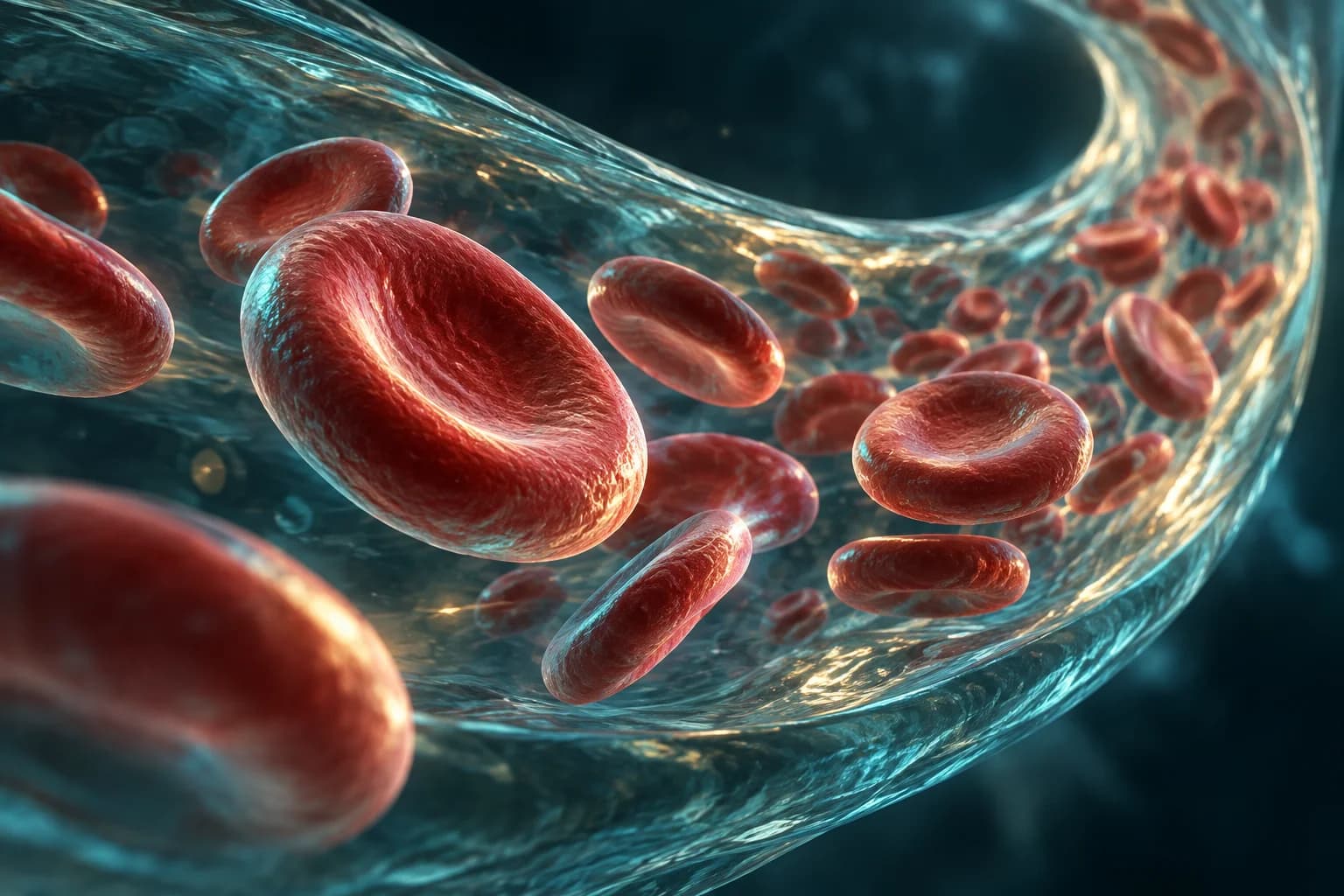
The role of blood biomarkers in evaluation
Research into blood-based biomarkers for Alzheimer's disease is an active and rapidly developing area. These markers are being studied as tools to support diagnosis, track progression, and evaluate response to intervention. The clinical utility of specific markers varies, and what is appropriate for one patient's evaluation may not be appropriate for another. We review the current evidence and your individual history to determine which, if any, blood-based biomarker testing belongs in your assessment.
How Neuregen approaches biomarker assessment
Neuregen's evaluation is multi-domain: cognitive baseline profiling, brain energy and metabolic markers, and a review of prior diagnostic records are all part of the picture. Blood-based biomarker testing is considered within that context, not as a standalone test. We do not apply a one-size-fits-all panel; we determine what is clinically useful for each patient.
Each topic on this page fits into a sequenced care plan built around your biology. See how Neuregen builds your plan.
Questions about this topic
Does Neuregen offer blood-based biomarker testing for Alzheimer's?
Blood-based biomarkers are an evolving part of Alzheimer's evaluation. Whether specific tests are appropriate for you is determined by our clinical team during the medical review -- it depends on your history, prior testing, and what information would meaningfully change the plan.
What is the first step for someone interested in a biomarker evaluation?
A Strategy Consultation with our clinical team is the starting point. We review your history and determine what evaluation components -- including any biomarker testing -- are appropriate for your clinical picture.
Important to know
Neuregen is an out-of-network specialty clinic. Patients are responsible for fees at the time of service.
A Strategy Consultation determines candidacy before any treatment is recommended.
All treatment plans are set by our clinical team after a thorough medical review.
Every plan starts from the same map: the 7 Domains of Recovery.
Start with a Strategy Consultation
A real clinical conversation, not a sales call. We review your history, answer your questions, and discuss with you whether Neuregen is the right fit.
8090 N. 85th Way, Suite 100, Scottsdale, AZ 85258 · Mon–Thu, 9:00 AM – 5:30 PM